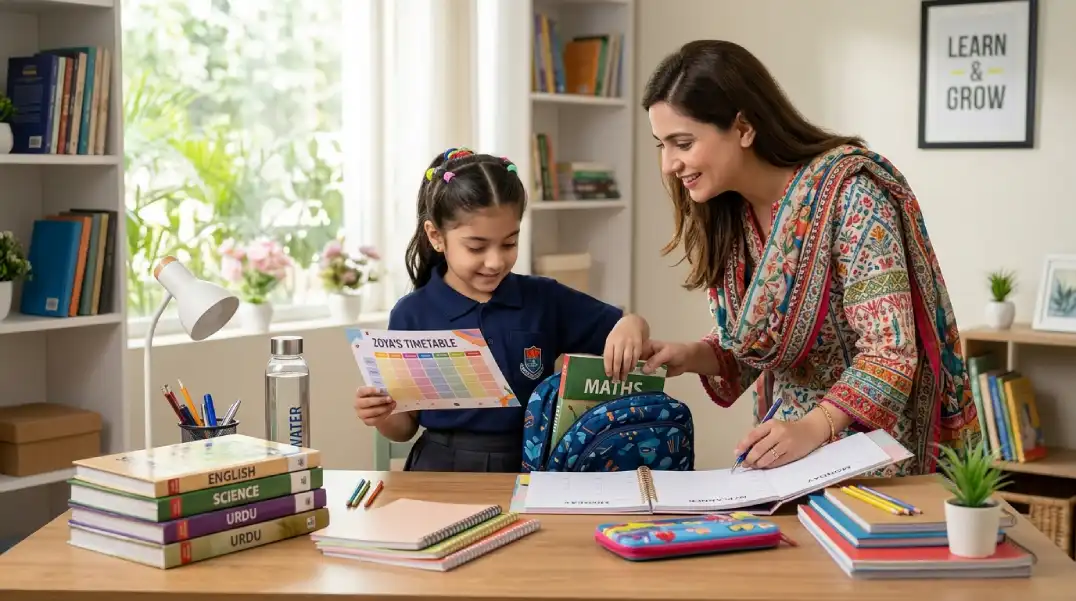
Preparing students for school requires consistent routines, organized materials, and clear planning. Families who build simple daily habits help students begin each school day with confidence and focus. School preparation improves time management, reduces morning stress, and supports academic performance.
Many parents search for effective methods for how to prepare kids for school because daily school routines influence learning success. Preparation includes organizing study materials, managing school supplies, and building responsible habits that help students stay organized.
School readiness does not depend only on textbooks or homework. Small daily actions, such as packing bags in advance and arranging study materials properly, make school days easier for both students and parents.
The following sections explain practical methods to prepare for school, maintain organized study materials, and manage daily school supplies effectively.
Why Daily School Preparation Matters
Daily preparation creates structure and stability for students. Organized routines help students focus on lessons rather than worrying about forgotten books or unfinished tasks.
School preparation teaches students how to manage their belongings and academic responsibilities. Children who organize their materials every evening develop stronger responsibility and planning skills.
A simple preparation routine can include several clear actions:
Education experts frequently emphasize that structured routines support student independence. Children who manage their materials independently often develop stronger study discipline and better time management.
Structured information also improves learning clarity. Content structure principles used in educational writing and digital publishing emphasize logical organization and clear presentation of information, which improves comprehension and retention.
Morning stress frequently occurs when families search for missing notebooks or school supplies. Preparing for school the evening before prevents these problems.
Students who follow a nightly preparation routine experience calmer mornings and arrive at school mentally prepared. Three simple actions reduce morning confusion:
These steps help students start the school day calmly and with confidence.
Organizing Study Materials Effectively
Organized study materials allow students to find information quickly and complete homework more efficiently. Disorganized materials often lead to frustration and wasted time.
A dedicated study space supports focus and consistent study habits. The space does not need to be large. A small desk with proper lighting and minimal distractions is sufficient.
Important elements of an effective study area include:
A consistent study environment allows students to concentrate on tasks and maintain productive study sessions.
Students benefit from simple systems that keep materials organized. Clear organization reduces confusion and helps students prepare for school quickly.
Effective systems include:
These methods ensure that students can locate materials easily and keep their schoolwork structured.
Preparing Daily School Essentials
Preparing school essentials every evening helps students avoid forgetting important materials. Daily preparation becomes easier when students follow consistent routines.
Packing the school bag before bedtime ensures that books and assignments remain ready for the next day. Students can review the timetable and place the required materials in the bag.
Essential items often include:
Even young children can participate in packing their own bags when parents provide guidance.
A well designed school bag supports organization and protects learning materials. Bags with multiple compartments allow students to separate books, notebooks, and stationery.
Parents often explore organized options for school bags. Girls school bags are lightweight and more attractive, while boys prefer durable backpacks with several compartments for textbooks and other school supplies. Compartments help students keep materials organized and reduce the risk of damaging their notebooks.
Choosing a structured school bag improves daily organization and helps students prepare for school efficiently.
Managing school supplies carefully helps students stay prepared throughout the academic year. Missing or damaged supplies interrupt learning activities and create unnecessary delays.
Students benefit from reviewing school supplies regularly. A short weekly check ensures that essential items remain available.
Common supplies students should monitor include:
Replacing supplies before they run out prevents interruptions during lessons or homework sessions.
Students who maintain their materials carefully develop responsible habits. Proper care keeps books and supplies usable throughout the school year.
Parents can encourage responsible habits by reminding students to:
These habits protect learning materials and maintain an organized school routine.
Preparing for Back to School After Breaks
School holidays often interrupt established routines. Students benefit from gradual preparation when returning to school after a break.
Healthy sleep schedules improve concentration and academic performance. Students should adjust bedtime gradually before school resumes.
Helpful preparation steps include:
These actions help students transition smoothly back into the school schedule.
Returning to school offers an opportunity to review academic goals and organize learning materials. Students can prepare for upcoming lessons by reviewing previous notes and assignments.
Important preparation actions include:
These steps help students resume learning with clarity and motivation.
Preparation Tips for Older Students
Older students face greater academic demands and require stronger organization skills. Preparation strategies therefore become more detailed and structured.
Students planning to enter nursing programs require strong academic preparation and discipline. Learning how to prepare for nursing school involves both academic readiness and organizational skills.
Preparation often includes several essential steps:
Nursing education combines theoretical learning with practical training. Strong preparation habits help students manage demanding coursework and clinical responsibilities.
Independent study habits help students manage complex academic tasks effectively. Students who practice structured study routines often perform better academically.
Effective habits include:
These habits prepare students for higher education and professional training programs.
Effective school preparation helps students remain organized, confident, and focused throughout the academic year. Families who develop consistent routines create a stable learning environment that supports academic success.
Learning how to prepare kids for school involves practical habits practiced daily. Packing school bags in advance, organizing study materials, and maintaining supplies all contribute to smooth school mornings.
Students who practice these habits develop responsibility, independence, and stronger study skills. Preparation also becomes especially important during preparing for back to school periods when routines must be re-established after breaks.
With simple organization strategies and consistent routines, students can begin each school day ready to learn and succeed.

This post has been authored and published by one of our premium contributors, who are experts in their fields. They bring high-quality, well-researched content that adds significant value to our platform.