The concept of Credential Stacking: Rethinking Traditional Degrees has emerged as a powerful alternative to conventional academic paths. As industries shift, learners are prioritizing skills and outcomes over time-consuming degree programs.
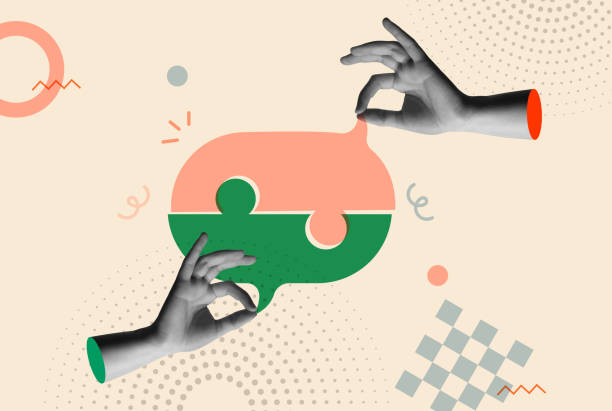
Credential stacking refers to accumulating multiple, smaller credentials over time. These could be certificates, badges, or short courses that together build a robust portfolio of expertise. This model is modular and adaptable.
Learners gain flexibility in how they pursue education. Rather than committing to one long program, they build skills progressively. Each credential adds value and contributes toward larger learning goals.
Credential stacking can occur horizontally or vertically. Horizontal stacking broadens skills across fields. Vertical stacking deepens expertise in one domain. Both approaches enhance career mobility and learning outcomes.
Traditional degrees often require years of study and substantial investment. For many, the cost is no longer justifiable, especially when job outcomes don’t guarantee financial security or advancement.
Degrees may not reflect real-time skills. In fast-moving industries like tech or design, employers value relevant, recent, and specific capabilities over generic qualifications obtained years ago.
The rigidity of traditional degrees limits learners’ adaptability. Once enrolled in a program, students follow fixed paths. Credential stacking allows personalized learning aligned with immediate career needs.
Micro-credentials offer targeted learning in specific areas. These short-term courses focus on practical skills and are often delivered online. Learners can complete them while working full-time.
Institutions and platforms like Coursera and edX provide industry-recognized micro-credentials. These are stackable and can lead to certificates or degrees if accumulated strategically.
Micro-credentials are recognized by employers who value demonstrable skills. These credentials prove the learner has up-to-date knowledge relevant to their job role or desired position.
Employers increasingly seek candidates who demonstrate lifelong learning. Credential stacking reflects curiosity, adaptability, and initiative—traits that are valued across industries.
Stacked credentials can align closely with job requirements. Unlike traditional degrees, they allow applicants to highlight specific competencies that fit the job description exactly.
Organizations may partner with educational platforms to guide employees through credential pathways. This ensures workforce development is aligned with company goals and industry needs.
Stacked credentials empower learners to design personalized education paths. Individuals can combine credentials in unique ways to meet their personal, professional, or industry-specific goals.
This personalization supports diverse career outcomes. For example, someone might stack credentials in marketing, analytics, and user design to become a product manager.
The process encourages self-awareness in learners. As individuals explore and combine credentials, they reflect on their strengths, interests, and career aspirations with greater clarity.
Credential stacking is typically more affordable than traditional degrees. Learners can pay as they go, avoiding heavy student debt and investing in only the learning they need.
Time commitment is also reduced. Micro-credentials and certifications often require weeks or months, not years. This benefits working professionals or those needing rapid skill updates.
Learners may pause and resume their education journey. This flexibility allows them to balance learning with life, unlike rigid university schedules or academic calendars.
Lifelong learning is now essential in a dynamic workforce. Credential stacking enables continuous upskilling and reskilling, adapting to new technologies, tools, and industry demands.
Professionals in tech, healthcare, business, and education are turning to this model. It allows them to remain competitive and agile, switching roles or climbing ranks without traditional degrees.
Stacking supports career shifts. Someone in journalism may add data visualization and social media skills to pivot into digital communications or content strategy roles with ease.
Digital portfolios can showcase stacked credentials. Learners present certificates, badges, and completed projects in a shareable format, enhancing credibility with recruiters and peers.
Platforms like LinkedIn now integrate these credentials directly. Employers can verify them and assess skill relevance in real-time, aiding faster and smarter hiring decisions.
This visibility boosts confidence and professional branding. Learners control how their learning journey is presented and perceived in the job market or their field of expertise.
Despite its benefits, credential stacking isn’t without challenges. Not all credentials hold equal value. Learners must research providers and ensure industry recognition before committing.
There is no universal standard for stackability. Credentials from one institution may not count toward another’s program. Clear frameworks and partnerships are still evolving.
Some employers still favor traditional degrees. Credential stacking may be more effective in certain industries than others. Learners must understand where it is most valuable.
Educational institutions are adapting. Universities now offer stackable modules, micro-masters, and pathways that blend traditional and nontraditional learning formats.
Colleges partner with online platforms and employers to design relevant curriculum. This alignment ensures learners gain skills that are applicable and in demand in the real world.
Innovative institutions recognize credential stacking as the future. They support learners through flexible admissions, credit transfers, and real-world learning experiences.
Credential stacking democratizes education. Learners across geographies can access quality instruction through digital platforms, bypassing traditional barriers like tuition, exams, or language.
This model supports inclusivity. People with limited time, money, or academic history can upskill and compete globally. It’s education on demand, tailored to real life.
Countries and regions with high youth unemployment see credential stacking as a solution. It builds employable skills and confidence among populations traditionally underserved by higher education.
Credential stacking will continue to evolve. Artificial intelligence, blockchain, and smart learning analytics will personalize pathways and verify credentials securely and instantly.
More industries will embrace this model. As hiring becomes skill-focused, stacked credentials will likely become standard on resumes and in promotion pathways.
Learners will combine credentials with experience, creating a rich and dynamic professional identity. This blend will reshape what it means to be “qualified” in the 21st century.

This post has been published by the admin of our website, responsible for content management, quality checks, and providing valuable information to our users.