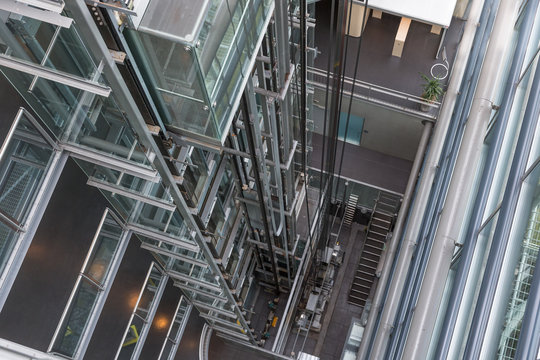
Smooth and safe vertical transportation is essential for modern buildings to offer precise and efficient linking between floors. Whether it is a lift system for a residential tower, a commercial building, a hospital, or a hotel, each building's lift system must be designed to meet the unique demands of the building. A well-planned installation with proper design and specifications provides a solid basis for a successful long-term performance and meets technical and safety requirements.
Professional lift solutions are used in many property ownership and development projects to incorporate vertical transportation solutions. Professional installation integrates engineering design, structure planning and mechanical assembly into a seamless process. The lift installation services in Singapore are an integral part of the process that ensures the proper functioning of the country's buildings and that they comply with regulations and user requirements.
The planning, engineering, delivery, and installation of elevator systems in a building are all included in lift installation services. This process starts early in construction before it gets to the final phase, as engineers need to ensure that the shafts are the correct size, there is enough space for the machines, and electrical and structural considerations are taken into account.
Technical evaluation, equipment selection, mechanical assembly, electrical integration, testing and commissioning are also part of a complete lift installation services in Singapore project. All stages are part of the overall function of the completed system.
Consistency from building design to lift specification is achieved through the professional installation. Before the installation is done, the engineers assess the load requirements, the number of passengers, and the distance travelled, as well as the available space.
Correct installation also minimizes the problems that may arise with the compatibility of the structural and mechanical parts. Project teams, therefore, coordinate better during construction and prepare the lift for inspection and operation.
All installations begin with a site assessment. Architects' plans and drawings are reviewed, shaft dimensions are checked, and building usage and technical requirements are reviewed. They work with architects, contractors and consultants to set up installation specifications.
Future building operations are taken into account in planning. System selection and system design is affected by passenger traffic, accessibility needs and emergency procedures.
Various types of buildings call for various types of lifts. Residential projects tend to focus on the comfort and space efficiency of the passengers. Higher traffic and business needs are the focus of commercial buildings.
Engineers assess the height of travel and the number of people to carry, as well as the speed needed and the building function, before choosing equipment. This evaluation gives rise to a practical solution which works towards project objectives.
Installation is started after structural preparation. Teams assemble the guide rails, machine parts, counterweight systems and lift car as per engineering specifications.
Alignment is important for all parts since it affects the long-term operation. Consistency between mechanical systems and building infrastructure, achieved by careful assembly.
Electrical specialists are responsible for wiring mechanical installations with controllers, communication systems, sensors and safety equipment after installation. Following that, operational testing is done in various conditions by technicians.
The process of lift installation services in Singapore is carried out with repeated inspections prior to commissioning if it is executed properly. Testing confirms that movement is accurate, there are emergency functions, braking systems are in place and control operations are functioning.
The lift car is the main passenger space. During the assembly process, structural frames, doors, operating panels, lighting systems and interior finishes are installed. The cabin structure is determined by the requirements for the construction, the number of people to be accommodated and accessibility issues.
The movement of the lift car is guided by guide rails, and the stability is maintained during travel. The counterweight system is engineered to create a balance to all lifting and helps to ensure efficient operation. The correct installation provides smooth operation and reduces unnecessary mechanical stress.
Electronic control panels, emergency communication systems, door sensors, overload protection and braking mechanisms are some of the features of modern lifts. These are all integral parts to ensure the system is reliable and safe to operate.
When there's elevator installation in Singapore and building lift systems, there's a coordinated operating environment.
Any lifts placed in the building should be in keeping with the applicable building regulations and technical standards. Documentation, engineering reviews and inspections are coordinated throughout the project team installation process.
Compliance isn't done at the installation; it is done while planning. So, engineers take into account the regulations from the beginning of designing a project.
Operational testing, system verification, emergency function testing and operational performance testing are all part of quality assurance. Inspection of the quality of installation prior to lift for service.
These procedures ensure that the system is working as per the engineering design and applicable safety requirements.
Each of the different types of buildings (residential tower, commercial office, hospital, hotel, and mixed-use) has its own specific operational needs. Lift configuration and system capacity depend on passenger traffic patterns. So, engineers make installation plans based on the function that the building is meant to serve.
Lift specifications are based on passenger volume, travel height and expected daily use. The factors are analysed by engineers before choosing the appropriate equipment and planning the installation methods.
Planning for commercial lift installations and residential lift installations are thus different.
Coordinating between architects, structural engineers, electrical contractors, and construction managers will be crucial to lift installation. Installation timelines for one area can impact installation timelines in other areas. Good communication helps to achieve consistency during the project delivery.
Limited shaft dimensions and/or structural restrictions may exist in existing buildings. These conditions need to be assessed by engineers prior to installation. Early assessment minimises unexpected complications during construction.
All mechanical systems, electrical infrastructure and architectural elements should be in harmony during installation. Technical details are coordinated with teams on an ongoing basis in order to ensure compatibility.
Care needs to be taken in the documentation, inspection and approval process. Project teams keep records during installation to meet the requirements of applicable regulations.
Planning should be started at the building design phase and not when construction has advanced. Better preparation for coordination of structural and mechanical requirements.
Previous experts are aware of engineering requirements, installation instructions and regulatory requirements. They are informed about the project, and their knowledge helps in maintaining the consistency of the project.
Testing is done to ensure the functionality of the system before using it by the public. Engineers assess the accuracy of the movements, responses to emergencies, control systems and performance during operation.
The installation of lifts is not enough to make a successful project; planning and coordination as well as comprehensive testing are necessary.
Today, digital monitoring and intelligent control systems still have an impact on the lift design. Connected technologies are increasingly being used in buildings to observe operational performance.
However, manufacturers are still continuing to work on systems where the energy saving is achieved by using efficient motors, regenerative drives, and optimized control strategies.
Lifts are part of modern developments, which are connected with wider building management systems. This is accomplished by developing coordinated communication between transportation systems and facility operations.
Installing a lift is a complex process that requires engineering skills, project management, safety checks, and adherence to regulations throughout the process. Each stage plays a role in ensuring the reliability of building operation and life. Well planned lift installation services in Singapore ensure consistency in achieving design goals and in ensuring a safe service as well as performance. The use of integrated planning and professional installation will continue to be crucial for the modern vertical transportation system, keeping this in mind as urban development goes forward.
Lift installation services are the activities involved in planning, designing and coordinating the mechanical and electrical assembly and installation of the lift system. They additionally conduct testing, inspections and final commissioning prior to the installation.
Correct alignment between building structure and lift components – professional installation. It also keeps the business within the safety requirements and standards.
This depends on the size of building, type of lift and technical requirements. For more complex commercial projects, more coordination and installation phases will typically be needed.
The costs vary according to the type of lift, building height, capacity and design requirements. The complexity of the project and the regulations also play a role in the overall cost.

This post has been authored and published by one of our premium contributors, who are experts in their fields. They bring high-quality, well-researched content that adds significant value to our platform.