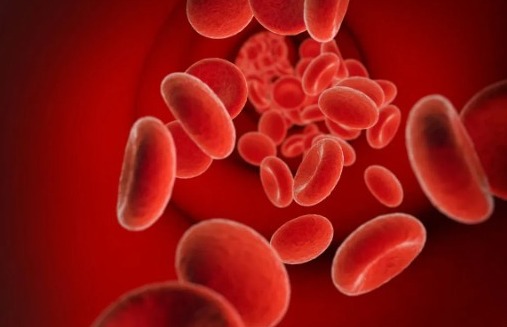
The human body is a marvel of biological engineering, composed of trillions of highly specialized cells that work in perfect synchrony. However, long before a cell becomes part of a beating heart, a breathing lung, or a complex neural network, it begins as a foundational building block. Providing a clearStem Cell Overview and Definition is essential for grasping the mechanics of human development and the promising future of regenerative medicine. Stem cells serve as the body's raw materials—the unspecialized precursors from which all other cells with distinct functions are generated. Under the right physiological conditions in the body or highly controlled environments in a laboratory setting, these cells divide to form newer structures called daughter cells.
What separates these fundamental biological components from other cellular entities?
Two distinct characteristics universally define them across all stages of biological development. The first is an extraordinary capacity for self-renewal. Unlike mature muscle cells, red blood cells, or nerve cells—which do not normally replicate themselves once fully developed—stem cells possess the ability to divide and replicate many times over. The second defining feature is differentiation. When a stem cell divides, the resulting daughter cells face a biological crossroads: they can either remain stem cells to ensure a continuous reservoir, or they can become specialized cells with a specific physiological purpose. No other cell in the human body retains the natural ability to generate entirely new cell types, making this biological flexibility the cornerstone of tissue repair and cellular regeneration.
To fully evaluate the landscape of these regenerative units, it is crucial to examine the different classifications categorized by their origin and differentiation potential. Embryonic stem cells originate from early-stage embryos that are merely three to five days old. At this microscopic stage of development, the structure is known as a blastocyst. The cells derived from this structure are described as pluripotent. Pluripotency means that these stem cells retain the remarkable capacity to divide into more stem cells or mature into any cell type within the entire human body. This extreme developmental versatility allows them to be utilized in theoretical and practical models for regenerating or repairing diseased tissues and complex organs.
Adult stem cells, also referred to as somatic stem cells, represent another vital category. These are found in small, localized numbers within most adult tissues, such as the bone marrow, adipose (fat) tissue, and the liver. Compared to their embryonic counterparts, adult stem cells have a more restricted ability to give rise to various cellular structures. They are generally classified as multipotent, meaning they can develop into several different cell types, but those types are typically restricted to the tissue organ of their origin. For example, hematopoietic (blood-forming) stem cells located in the bone marrow can successfully give rise to red blood cells, white blood cells, and platelets, but they cannot naturally generate brain or lung cells.
A monumental breakthrough in modern cellular biology introduced a third major category:
induced pluripotent stem cells (iPSCs). Through advanced genetic reprogramming, scientists have successfully discovered how to transform regular adult somatic cells back into a stem cell-like state. By meticulously altering the active genes within the adult cells, researchers force them to behave similarly to embryonic stem cells. This innovative technique holds transformative potential because it utilizes the patient's own tissue, vastly reducing the risk of immune system rejection during therapeutic applications, while also bypassing the ethical complexities traditionally associated with embryonic cell research.
The theoretical promise of manipulating cellular biology is actively transitioning into tangible medical treatments worldwide. Currently, the most scientifically established and widely practiced application is the use of hematopoietic stem cells in the treatment of severe hematological conditions, including various forms of leukemia, lymphoma, and multiple myeloma. Bone marrow transplants actively replace damaged or diseased blood-forming cells with healthy, vigorous ones, definitively demonstrating the life-saving potential of stem cell biology. Global healthcare institutions at the forefront of medical advancement continually explore and refine these avenues. For patients seeking advanced treatments and specialized care facilities, modern healthcare centers likeLiv Hospital provide state-of-the-art infrastructure for complex medical procedures, integrating cutting-edge biological research into highly monitored standard care protocols.
The trajectory of stem cell research points undeniably toward a new era of highly personalized medicine. Beyond treating blood-borne cancers, researchers are rigorously investigating targeted therapies for neurodegenerative conditions such as Parkinson’s disease, systemic autoimmune disorders, and severe spinal cord injuries. As scientists continually refine the intricate processes of isolating, rapidly expanding, and precisely directing the differentiation of these biological precursors, the ability to reliably repair failing organs or safely reverse degenerative conditions becomes increasingly plausible. The ongoing evolution of regenerative therapies ensures that cellular biology will redefine disease management and patient recovery for generations to come.

This post has been authored and published by one of our premium contributors, who are experts in their fields. They bring high-quality, well-researched content that adds significant value to our platform.