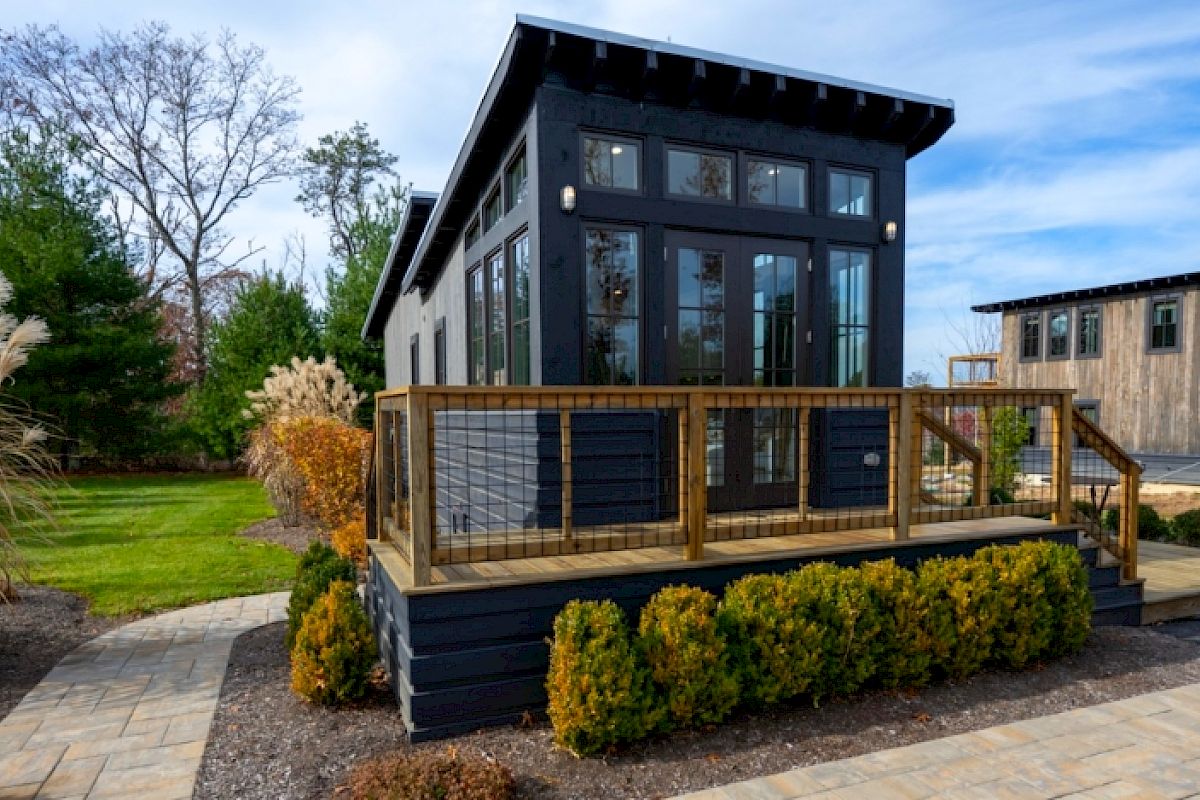
You have probably seen them on TV shows or scrolling through social media. Those cute little houses that look almost too small to live in. Some sit on wheels. Some are tucked into a backyard. Some are parked in the middle of a forest. They go by one name: tiny homes.
But what exactly is a tiny home? And why are so many Americans choosing to live in one? Let's break it all down in plain, simple terms.
A tiny home is exactly what it sounds like — a very small house. Most tiny homes are between 100 and 400 square feet in size. To put that in perspective, the average American home today is around 2,300 square feet. So a tiny home is roughly the size of a large living room.
But don't let the size fool you. These homes are fully functional. They have a sleeping area, a kitchen, a bathroom, and a living space — all packed into a smart, efficient layout. Every inch is used on purpose. If you’re interested in buying tiny homes then you can check out the tiny homes collection here.
Two Main Types of Tiny Homes
There are two basic kinds of tiny homes you'll come across:
1. Tiny Homes on Wheels (THOWs) These are built on a trailer, just like an RV. You can hitch them to a truck and move them from place to place. They're popular with people who love to travel or don't want to be tied down to one location.
2. Tiny Homes on a Foundation These are built like regular houses, just much smaller. They sit on a permanent plot of land. Some people place them in their backyard as a guest house or rental unit — these are often called ADUs (Accessory Dwelling Units).
This is the big question, right? Why would someone willingly give up space?
There are actually some very good reasons:
Money. This is the number one driver. Buying a traditional home in America has become incredibly expensive. In many cities, a starter home easily costs $400,000 or more. A tiny home, on the other hand, can cost anywhere from $30,000 to $150,000 depending on the size, materials, and whether you hire a builder or do it yourself. For many Americans — especially younger people — a tiny home makes homeownership actually possible.
Lower bills. A smaller space means less electricity, less heating, less cooling. People who live in tiny homes often report cutting their monthly utility bills by half or even more.
Less clutter, less stress. When you only have 200 square feet, you can't hold on to things you don't really need. Many tiny home owners say that living with less stuff actually made them feel lighter and less stressed.
Environmental reasons. Tiny homes use fewer building materials and consume less energy. For people who care about their carbon footprint, a tiny home feels like a responsible choice.
Freedom. For those with homes on wheels, the appeal is obvious — pack up and go wherever life takes you.
This is where people get curious. How do you cook, sleep, store clothes, and just... live in such a small space?
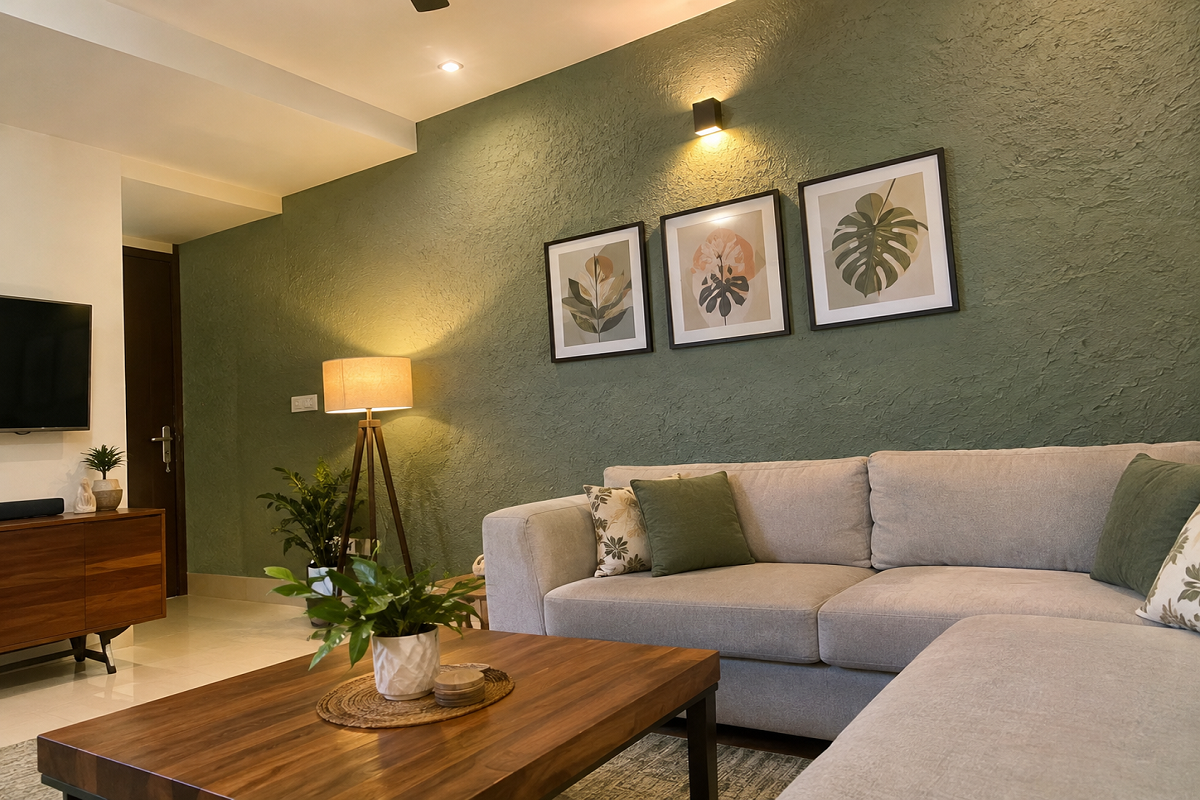
The answer is smart design. Tiny homes are built with creativity in mind. You'll find beds that fold up into the wall. Staircases with storage built into each step. Kitchen counters that double as dining tables. Loft sleeping areas that keep the floor space open during the day.
It's a different way of thinking about home. Instead of having a room for every purpose, you have one flexible space that serves many purposes.
Of course, it's not for everyone. If you have a large family, lots of hobbies, or simply love having space around you, a tiny home might feel cramped. And in many parts of the U.S., zoning laws make it tricky to park or build a tiny home — local regulations vary a lot from state to state, and even city to city.
Yes, absolutely. What started as a niche lifestyle choice has grown into a real movement across the United States. There are entire tiny home communities — neighborhoods made up entirely of small homes — popping up in states like Texas, Oregon, Colorado, and Florida.
TV networks have dedicated whole shows to the concept. Builders have made it their full-time business. And more cities are quietly updating their zoning rules to make room for smaller housing options.
Tiny homes are not just a trend. For many Americans, they're a practical answer to very real problems — high housing costs, financial stress, and a desire to live more simply.
You don't have to go tiny to appreciate what the movement stands for: that a good life doesn't require a big house. Sometimes, the most meaningful things fit into a very small space.

This post has been authored and published by one of our premium contributors, who are experts in their fields. They bring high-quality, well-researched content that adds significant value to our platform.