Year 11 results arrive in August. Within weeks, students step into the most specialised phase of their school life. Key Stage 5 covers Years 12 and 13, ages 16 to 18, where broad study gives way to a few subjects chosen with a university or career in mind. This guide explains the stage and how Scholars International Academy (SIA) prepares learners for it.
The National Curriculum for England runs in stages, each with its own age range and end point.
The final stage is often called Sixth Form. It is the only stage where the student, not the curriculum, decides most of the timetable.
The shift is sharp. Ten subjects at IGCSE become three or four studied in depth, and recall gives way to analysis, extended writing, and independent research. Students who plan the transition during Year 11 arrive ready for A Levels in the UAE rather than adjusting halfway through the first term.
A Levels are the academic standard recognised by universities worldwide. Students usually take three or four subjects, sit AS components in Year 12 where offered, and complete full A Levels in Year 13. Grades run from A* to E. Degrees such as medicine, engineering, and law specify required subjects, so the choice made at 16 shapes what is possible at 18.
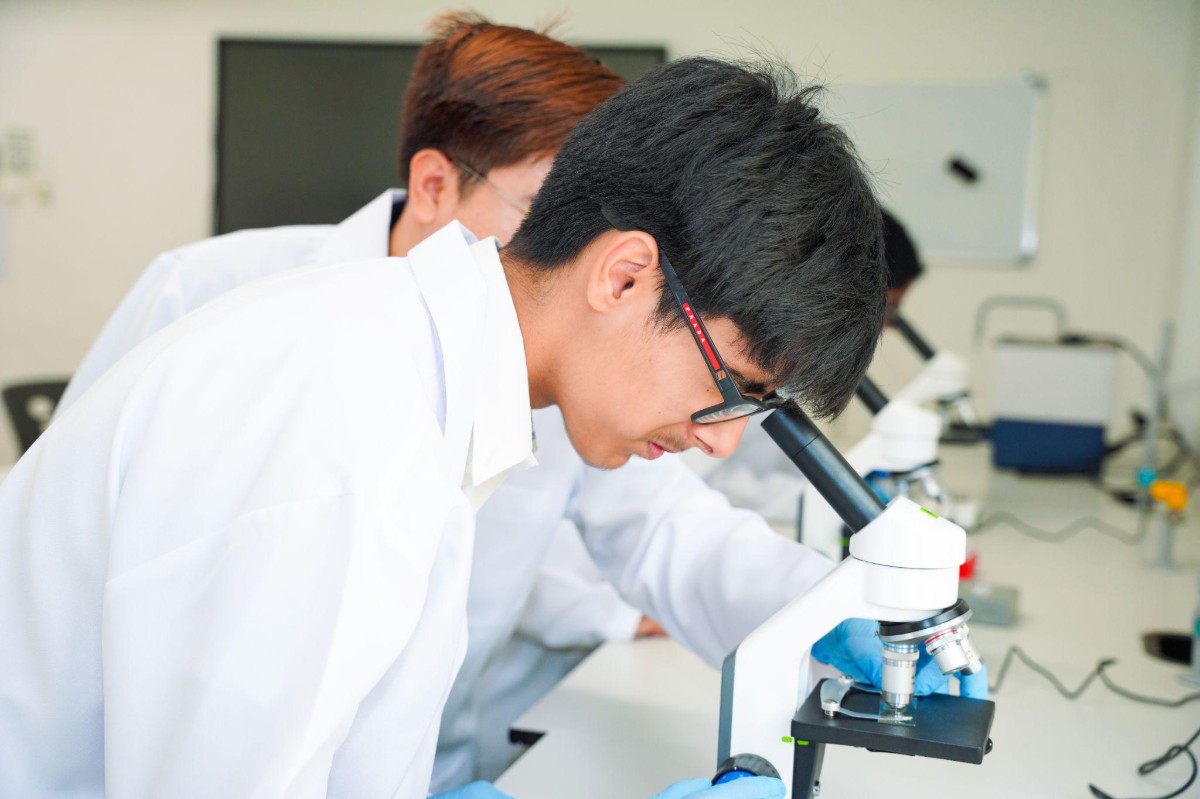
BTEC qualifications are assessed largely through coursework and practical units, with grades from Pass to Distinction*. They suit learners who show ability through applied work and are accepted for university entry and employment. Through BTEC at SIA, students follow this route on the same campus and in the same Sixth Form community as A Level candidates.
Some students combine the two routes. The right mix depends on target universities, subject strengths, and the balance between examination and coursework workload.
In Sharjah, the stage runs under the Sharjah Private Education Authority, which inspects schools and approves fees. British schools deliver UK examination boards alongside Ministry of Education subjects in Arabic, Islamic Studies, and Social Studies, so qualifications work at home and abroad.
Parents should expect clear entry requirements based on IGCSE grades, a published subject list, named university guidance staff, and supervised independent study time. Ask how many subjects a student may take, which boards are used, and where recent graduates went.
At SIA, the Sixth Form is built as a distinct stage: small classes, a teacher to student ratio near 1:13, university style seminars, internships, and learner leadership roles across the whole school. Applications open in June, interviews follow by appointment, and conditional offers are made pending final IGCSE results.
High Performance Learning underpins teaching at SIA: learners are taught how to think, question, and build arguments, which is what admissions tutors look for beyond grades. Personal statement guidance, subject to degree mapping, and application timelines for the UAE, UK, and beyond are handled inside the school day.
Progress is checked through mock examinations, coursework milestones, and feedback that states the next step. Cambridge and Pearson Edexcel set the final papers, and SIA learners have ranked among the UAE's highest achievers in IGCSE and GCE results.
Learners achieving six A or A* grades at IGCSE qualify for a 20 percent scholarship across Years 12 and 13, and a Principal's Scholarship goes to two learners who embody the values of a high performing SIA student. Both carry attendance and leadership expectations.
Families with a child in Year 10 or 11 should start now: review subject strengths, check degree requirements, and visit the school during term. Two years pass quickly, and the decisions made before they begin are the ones that count.

This post has been authored and published by one of our premium contributors, who are experts in their fields. They bring high-quality, well-researched content that adds significant value to our platform.