Minimalist home decor ideas that maximize space offer a stylish solution for compact living. This approach balances function and form while creating calm, open, and inviting environments across the home.
Minimalist living is not just about owning less, it’s about choosing better. Every piece should have a purpose, contributing to both aesthetics and utility in your limited living space.
Keeping only the essentials helps remove distractions and clutter. By simplifying your surroundings, you also free up mental space, helping you feel more relaxed and organized each day.
This design approach is increasingly popular in urban areas. With rising housing costs and smaller apartments, minimalist design provides a smart, stylish, and sustainable way to live.
Select furniture pieces that serve more than one purpose. A sofa bed or a storage ottoman can provide comfort while doubling as practical space-saving elements in any room.
Foldable or extendable furniture is a great addition to compact homes. A wall-mounted dining table or a nesting desk offers convenience and flexibility in rooms with limited floor area.
Built-in storage under beds, benches, or window seats adds functionality. These hidden compartments are perfect for storing items while keeping surfaces clean and clutter-free.
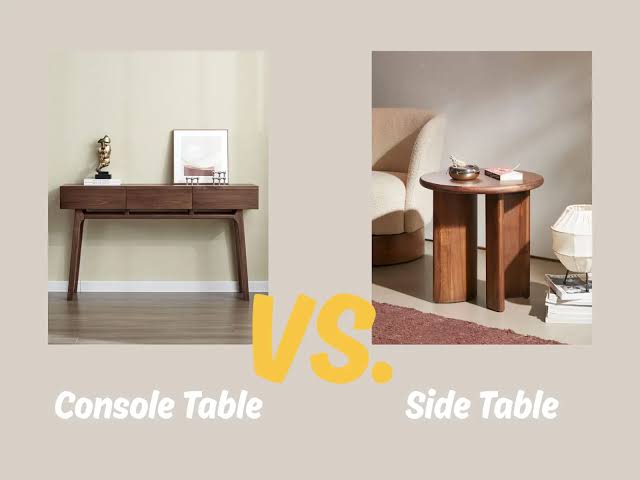
Minimalist furniture should be sleek and simple. Look for clean lines, neutral colors, and minimal hardware to blend seamlessly into your space without overpowering the room.
A neutral color palette enhances the minimalist look. Whites, beiges, and soft greys create an illusion of more space by reflecting natural light and maintaining a fresh atmosphere.
Avoid bright and clashing colors that can make small rooms feel chaotic. Soft tones allow for visual continuity and make the environment feel open and breathable.
Introduce texture instead of bold color. Use natural fabrics, light wood finishes, or matte surfaces to keep things visually interesting while sticking to minimal design principles.
Monochromatic schemes with subtle contrasts work beautifully. Layer shades of a single color family to add depth while maintaining a cohesive and calm environment throughout your home.
Open floor plans enhance flow between spaces and increase the perception of size. Removing unnecessary walls creates a continuous layout that feels airy and interconnected.
Use rugs or lighting to define separate areas without erecting physical barriers. This helps maintain a sense of structure while preserving open space and easy movement.
Consider a combined kitchen, dining, and living area. With strategic furniture placement, this layout encourages interaction and makes the most of shared spaces in your home.
Open plans require careful curation. Avoid overcrowding and make each piece intentional. Keep walkways clear and choose lightweight or transparent furnishings for visual continuity.
Decor should be simple and intentional. A single statement vase or a framed print can add character without overwhelming the room or distracting from the clean minimalist vibe.
Avoid over-accessorizing. Too many knick-knacks can make a space feel cluttered. Instead, choose a few quality items that reflect your personality and complement your interiors.
Wall art should be limited to a few thoughtful pieces. Black and white photography or abstract art can provide visual interest without dominating the space or creating visual noise.
Functional decor items like stylish lamps, clocks, or mirrors double as aesthetic features. Look for designs that combine utility and beauty to maintain a clutter-free setting.
Natural light enhances space and boosts mood. Large windows, skylights, or glass doors brighten interiors and make rooms appear larger than they actually are.
Avoid heavy drapes or dark curtains. Instead, use light-colored blinds or sheer fabrics that allow sunlight to filter through while maintaining privacy and softness.
Place mirrors strategically across from windows. Mirrors reflect light and create depth, which expands visual space and enhances the minimalist aesthetic in an effortless way.
Clean windows regularly and keep sills uncluttered. Even small details like these can make a big difference in how open and bright your home feels day to day.
Vertical space is often underutilized. Install shelves, wall-mounted cabinets, or hanging racks to increase storage capacity while keeping floor space open and functional.
Tall bookcases or slim cupboards can house a variety of items without taking up much width. This strategy is especially effective in narrow or oddly shaped rooms.
Hooks or pegboards are useful in kitchens, hallways, and bathrooms. They keep tools, coats, and accessories organized while adding subtle visual appeal.
Keep vertical storage minimal and aligned. Avoid overloading shelves. Maintain a balance between function and open wall space to keep the room from feeling crowded.
Minimal window treatments enhance the open, airy feel. Simple roller blinds or sheer curtains allow natural light in and provide privacy without adding bulk or distraction.
Stick to neutral tones and clean lines. Avoid heavy textures or ornate drapery. These can make small rooms feel visually heavy and reduce the minimalist charm.
Consider Roman shades or cellular blinds. They fold away neatly and offer thermal benefits, making them both stylish and practical for modern minimalist homes.
If privacy is not a major concern, consider leaving some windows bare. This can open up the view and increase the natural flow between indoor and outdoor environments.
Clean surfaces make a big impact. Countertops, tables, and dressers should be regularly cleared to maintain a calm and organized environment that feels open and spacious.
Adopt a “one in, one out” rule for new purchases. This helps prevent unnecessary accumulation and encourages intentional ownership of belongings in every area of the home.
Use trays or small organizers to group items when needed. This keeps things looking tidy without eliminating personality or essential items like remotes or coasters.
Make daily tidying a habit. It’s easier to maintain minimalism when you stay ahead of clutter. A five-minute routine at night can make a big difference in how your home feels.
Minimalist design celebrates clean architecture. Highlight sharp corners, flat surfaces, and symmetrical layouts by avoiding excessive decoration that might distract from these elements.
Choose furnishings that match your home’s structural aesthetic. Sleek furniture complements modern builds, while simple wood pieces can enhance more rustic or vintage homes.
Let built-in features shine. If you have exposed beams, alcoves, or unique ceilings, keep them uncluttered so they become natural focal points in your minimalist design.
Keep lines consistent throughout the home. Avoid curved and ornate additions. Stick with straight edges and balanced proportions to support the minimalist atmosphere.
Plants bring life to minimalist interiors. A few well-placed green plants can soften the look and introduce natural texture without adding unnecessary visual clutter.
Choose low-maintenance plants like snake plants, pothos, or succulents. They require minimal care and adapt well to indoor environments, making them ideal for minimal homes.
Use neutral or ceramic planters that match your overall color scheme. This helps keep the design consistent and avoids making the plants look like out-of-place accessories.
Limit plant quantity. A couple of floor plants or a shelf with a few small pots are often enough. Avoid turning your home into a jungle, which defeats minimalist purpose.
Minimalist decor means everything should serve a purpose. Whether functional or decorative, each element should be well-chosen and contribute meaningfully to the environment.
Avoid impulse buying or trendy items that don’t align with your overall aesthetic. Quality over quantity is key in minimalist spaces, so invest in timeless and durable pieces.
Evaluate your home regularly. Remove or replace items that no longer serve a purpose or feel out of place. This keeps your space aligned with your values and lifestyle.
Minimalism evolves with you. Stay intentional about your space and allow it to reflect your growth while keeping it simple, balanced, and functional over time.

This post has been authored and published by one of our premium contributors, who are experts in their fields. They bring high-quality, well-researched content that adds significant value to our platform.