Road conditions should strongly influence the type of motorcycle you purchase. A bike used mainly in congested city traffic requires different qualities from one intended for highways, mountain routes or unpaved roads.
Selecting a motorcycle according to its most common environment can improve comfort, control and everyday practicality.
Urban riders need lightweight handling, manageable power and good fuel efficiency. Frequent braking, gear changes and parking make heavy motorcycles less convenient.
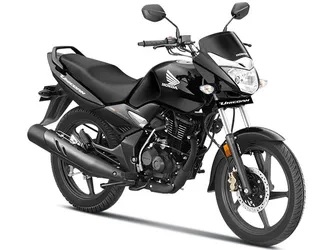
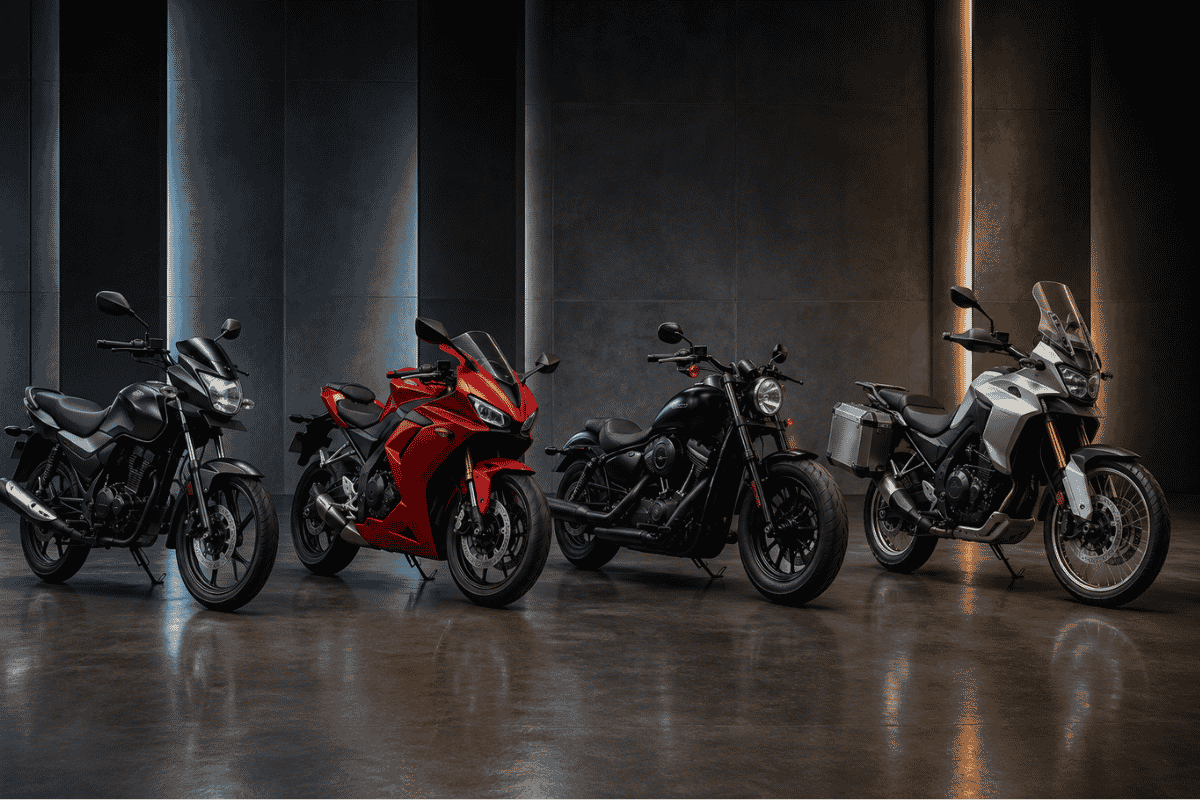
Commuter bikes are designed for this environment. They generally offer upright seating, affordable maintenance and predictable performance.
Compact electric motorcycles can also suit city routes when reliable charging is available.
Some riders need one motorcycle for commuting and recreational travel.
A naked or street bike can provide a useful balance. Its upright ergonomics support everyday riding, while stronger performance can make occasional highway trips enjoyable.
The absence of large fairings improves manoeuvrability but provides limited protection from wind.
Highway motorcycles should offer stable handling, comfortable cruising and adequate power for safe overtaking.
Cruisers suit riders who prefer a relaxed posture and steady travel. Touring bikes provide greater wind protection, seating comfort and luggage capacity.
Sports bikes can perform strongly on highways, although their aggressive seating position may reduce long-distance comfort.
Adventure bikes are developed for unpredictable surfaces. Their upright posture, increased ground clearance and long suspension travel help absorb bumps and provide better visibility.
Smaller adventure models may be easier to control in cities, while larger motorcycles can carry more luggage during touring.
Seat height and weight should be checked carefully before purchasing one.
Dirt and dual-sport bikes use lightweight frames, specialised tyres and suspension designed for gravel, mud and trails.
A dedicated dirt bike may not include the equipment required for public-road registration. Confirm its legal status and use it only where permitted.
Dual-sport motorcycles can offer greater flexibility by combining road legality with useful off-road capability.
Mountain riding requires manageable power, responsive brakes and predictable handling. Excessive weight can make tight corners and steep inclines more difficult.
Street and adventure motorcycles are frequently suited to these roads, depending on surface conditions. Engine performance at altitude and local service support may also deserve consideration.
Heavy rain, heat and dust can affect riding conditions. Suitable tyres, effective brakes and reliable cooling are important regardless of motorcycle category.
Regular maintenance becomes particularly important when the motorcycle is frequently exposed to difficult weather or poor surfaces.
Estimate where most of your riding will occur:
City traffic
Open highways
Mountain routes
Damaged roads
Off-road trails
Use this detailed guide to different motorcycle types to understand which categories are developed for each riding environment.
After creating a shortlist, take test rides and evaluate low-speed control, suspension, braking and comfort. The most suitable motorcycle is the one designed for the roads you genuinely travel—not the roads you might ride only once or twice.

This post has been authored and published by one of our premium contributors, who are experts in their fields. They bring high-quality, well-researched content that adds significant value to our platform.