Clean embroidery designs always stand out. They look sharp, smooth, and well made on fabric. People notice them right away. A clean design shows skill, care, and proper planning before stitching even starts.
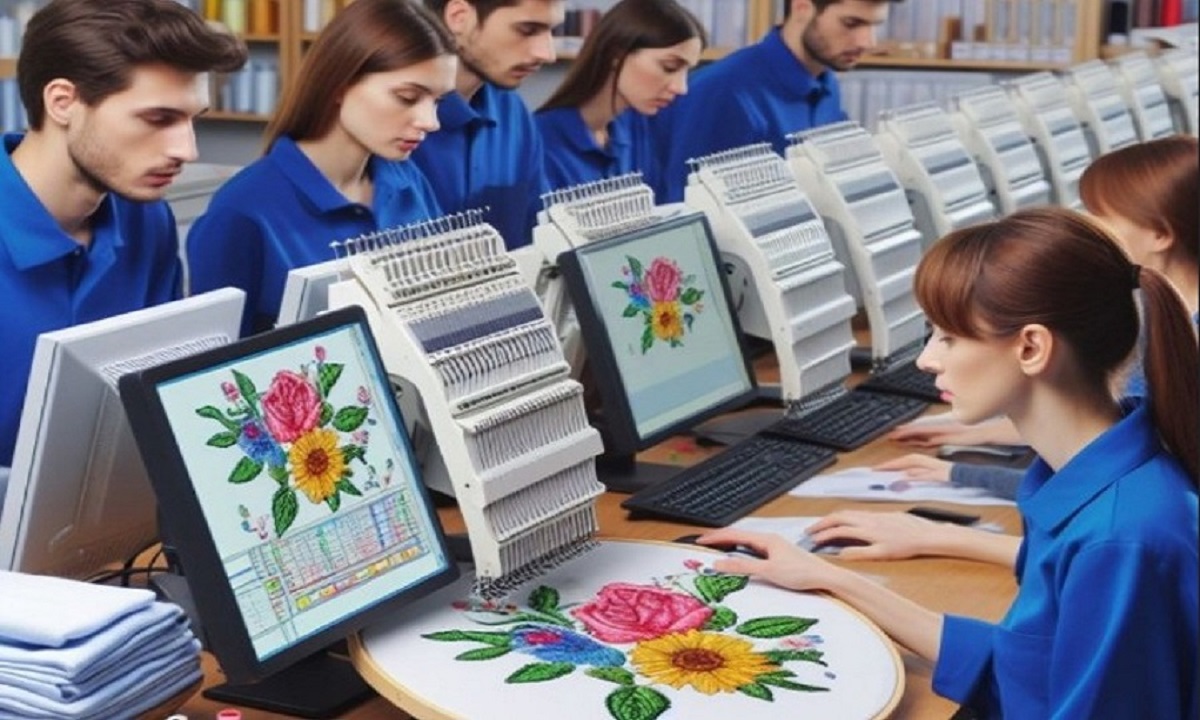
Many businesses use Embroidery Digitizing Services to turn artwork into clean stitch files that machines can follow with accuracy. This step is very important because embroidery machines do not read images. They follow stitch data line by line. If the file is messy, the embroidery will also look messy.
Professional embroidery is not just about thread and machine power. It is about how the design is prepared before stitching. Good digitizing, proper setup, and smart planning all work together to create clean and polished embroidery results.
In this guide, we will explain what makes embroidery designs look so clean and how professionals achieve high quality results every time.
Clean embroidery means a design that looks neat on fabric. It has smooth edges, clear shapes, and even stitching.
They make logos and artwork easy to read.
There are no loose threads or rough patches.
Every stitch is placed with care.
Digitizing is the process of turning artwork into stitch instructions.
They only follow stitch data.
It decides:
A well prepared file leads to smooth embroidery results.
Many professionals trust Digitizing Buddy because experienced digitizers understand how to create clean and balanced embroidery files.
Different stitch types create different effects.
Used for text and borders.
They create smooth and shiny lines.
Used for large areas.
They give full coverage.
Used for outlines and details.
They keep designs light and clean.
Poor stitch choice can make designs look messy.
Density means how close stitches are placed.
It can lead to:
The design looks empty or weak.
Professionals adjust density based on fabric and design size.
Underlay is the base layer of stitches.
It stops fabric from shifting.
Top stitches sit better on fabric.
Without underlay, designs may look uneven.
Stitch direction affects how light hits the thread.
It improves visual quality.
It may create rough or dull areas.
Professionals set stitch angles carefully.
Different fabrics behave differently.
They can stretch during stitching.
They require stable underlay.
Too much tension causes distortion.
Good digitizing adjusts settings for each fabric type.
Even a good design can fail with poor thread.
It reduces breaks and fraying.
It may snap or lose color.
It supports consistent stitching.
Embroidery machines need proper setup.
Too fast can ruin design quality.
Wrong tension affects stitch smoothness.
Clean files work best with correct machine setup.
Stitch path is the order of stitching.
It avoids unnecessary jumps.
Less trimming means cleaner results.
Design looks more organized.
Testing is very important in embroidery work.
They help find errors before full production.
Small changes can fix big issues.
It reduces waste and rework.
Clean embroidery is not only about tools.
It depends on skill and experience.
They know how machines behave.
They prevent stitching problems.
This leads to better results every time.
Many embroidery businesses trust Digitizing Buddy because experienced professionals know how to prepare clean and precise embroidery files.
Not all embroidery looks clean.
Bad setup causes uneven stitching.
It can distort the design.
Machines may misread instructions.
Final output may have flaws.
Experts follow a careful process.
They study the design first.
They match stitches with design areas.
They balance structure and smoothness.
They organize stitching order.
They check final output before production.
Embroidery is often used for business logos.
They improve brand image.
Customers see quality work.
Good branding attracts attention.
Simple habits can improve results.
Clear designs stitch better.
Tiny parts may not stitch well.
Different fabrics need different settings.
Testing improves accuracy.
Skilled digitizers make a big difference.
Embroidery technology is improving fast.
Tools are becoming more advanced.
They follow instructions more accurately.
Experience cannot be replaced.
Clean embroidery designs are the result of skill, planning, and proper file preparation. Every detail matters, from stitch type to fabric choice.
Professional digitizing ensures that embroidery machines follow the right instructions and produce smooth, sharp results.

This post has been authored and published by one of our premium contributors, who are experts in their fields. They bring high-quality, well-researched content that adds significant value to our platform.